
Stargazing in Sedona: Dark Sky Guide & Night Tours (2026)
Sedona became an International Dark Sky Community in 2014 — one of the darkest star-viewing locations in the U.S. Best spots: Airport Mesa Overlook, Bell Rock Pathway, Highway 89A pullouts north of town. Book a guided astronomy tour with Sedona Star Gazing Adventures for high-power telescopes. Best months: April–October (new moon nights are darkest). The Milky Way is visible with the naked eye June–August.
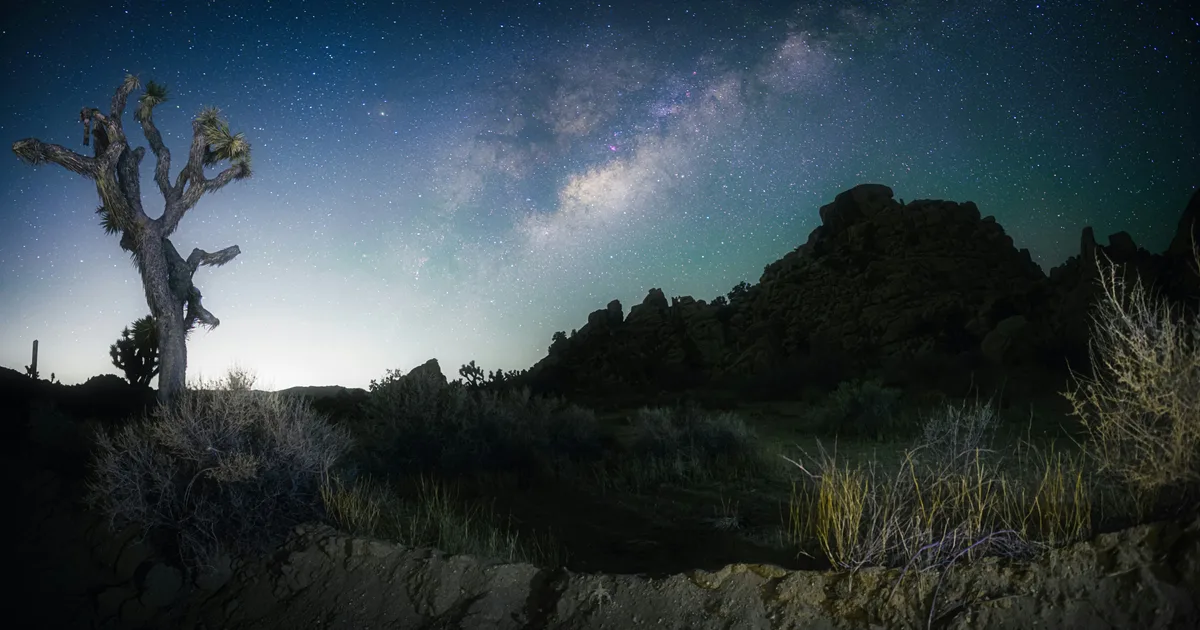
Photo by Mark Nemenzo on Unsplash
Stargazing in Sedona: Dark Sky Guide & Night Tours
Quick Answer: Sedona became an International Dark Sky Community in 2014 — one of the darkest star-viewing locations in the U.S. Best spots: Airport Mesa Overlook, Bell Rock Pathway, Highway 89A pullouts north of town. Book a guided astronomy tour with Sedona Star Gazing Adventures for high-power telescopes. Best months: April–October (new moon nights are darkest). The Milky Way is visible with the naked eye June–August.
Sedona is one of the best places in North America to see the night sky. The city's strict lighting ordinance protects the darkness, elevation lifts you above pollution haze, and the desert air is crystal clear. Even with basic gear, you can see the Milky Way, Andromeda, and meteor showers from the middle of town.
Sedona's Dark Sky Status
Sedona has been an International Dark Sky Community since 2014, joining a small global network of towns that actively protect night sky visibility. This means:
- Streetlights are dark-sky compliant (downward-facing, warm-toned, shielded)
- New construction must meet lighting ordinances
- Sedona hosts annual star parties and astronomy education events
Combined with Sedona's 4,500 ft elevation and low humidity, you get near-perfect conditions.
Best Stargazing Spots (No Guide Needed)
1. Airport Mesa Overlook ⭐
Coordinates: 34.8497°N, 111.7905°W Best for: Panoramic sky views, easy access Google Maps: Airport Mesa Overlook
The most popular spot for good reason — panoramic 180° views, paved parking, and open sightlines. You can see stars rising over the eastern rocks and setting into the western horizon. Free after dark.
2. Bell Rock Pathway
Coordinates: 34.8021°N, 111.7644°W Best for: Milky Way with silhouette of Bell Rock Google Maps: Bell Rock Vista
Bell Rock Pathway parking area is open 24 hours. Walk 10 minutes down the pathway for unobstructed sky. Bell Rock's silhouette makes an incredible foreground for Milky Way photos.
3. Cathedral Rock (Red Rock Crossing)
Coordinates: 34.8318°N, 111.8060°W Best for: Milky Way rising behind Cathedral Rock Note: Crescent Moon Recreation Area closes at sunset — park nearby on public land
The Cathedral Rock silhouette against the Milky Way core is one of the classic Southwest astronomy shots.
4. Highway 89A Pullouts (Oak Creek Canyon)
Coordinates: Various between Sedona and Flagstaff Best for: Ultra-dark skies, low horizon obstruction
Drive up 89A north of Sedona into Oak Creek Canyon. Multiple pullouts have big sky openings and are far from all light sources.
5. Boynton Canyon Vista
Coordinates: 34.9088°N, 111.8534°W Best for: Boynton's canyon walls frame the sky beautifully
Park at the trailhead and walk out a few hundred yards. Amazing setting for astro photography.
6. Loy Butte Road
Coordinates: 34.9200°N, 111.9600°W Best for: Serious astronomers seeking maximum darkness
Off-the-beaten-path dirt road (drive carefully) with the darkest skies near Sedona.
Guided Astronomy Tours
Sedona Star Gazing Adventures ⭐
Website: sedonastargazing.com Cost: $75–$105 per adult, $50 per child Duration: 90 minutes
The most established Sedona astronomy tour. Certified astronomers, powerful telescopes (up to 16 inches), and prime dark-sky locations. Tours run year-round.
What you'll see: Saturn's rings, Jupiter's moons, Andromeda Galaxy, nebulae, star clusters, and lots of shooting stars.
Book: 3+ days ahead in peak season, 1 week ahead on new moon nights.
Evening Sky Tours
Website: eveningskytours.com Cost: ~$85 per adult
Alternative Sedona-based tour operator with similar telescope offerings and guide expertise.
Meteor Showers in Sedona
Sedona's dark skies make it exceptional for meteor showers. Major annual events:
- Quadrantids — early January (peaks 100+/hour)
- Lyrids — mid-April
- Eta Aquariids — early May
- Perseids — August 11–13 (peaks 60+/hour, best of the year)
- Orionids — late October
- Leonids — mid-November
- Geminids — December 13–14 (peaks 120+/hour, cold but spectacular)
Best strategy: Drive out to Airport Mesa or Bell Rock at midnight, lay on a blanket, look toward the shower's radiant. Bring warm clothes.
Milky Way Season
The bright core of the Milky Way is visible in Sedona:
- April: Late night (rises after midnight)
- May–June: Prime time (rises 10pm–midnight)
- July–August: Best viewing (visible all night, high overhead by 10pm)
- September–October: Sets earlier each night
- November–March: Milky Way core is below horizon
Best nights: During new moon (check a moon calendar).
Photography Tips
Gear needed:
- Camera with manual mode (any DSLR or mirrorless works)
- Wide-angle lens (14–24mm, f/2.8 or wider)
- Sturdy tripod
- Headlamp with red mode (preserves night vision)
- Extra batteries (cold drains them fast)
Settings starting point:
- ISO: 3200
- Aperture: f/2.8 (or widest)
- Shutter: 20 seconds (any longer = star trails)
- Focus: Manual, set to infinity
- White balance: 4000K
Apps to download:
- PhotoPills — sun/moon/Milky Way planning
- Stellarium — real-time sky map
- Dark Sky Finder — light pollution maps
What to Bring for Stargazing
- Warm layers — even in July, nights hit low 60s at 4,500 ft
- Blanket or camping chair
- Red-light headlamp (preserves night vision — regular flashlights ruin your dark adaptation)
- Binoculars (10x50 or 15x70 show craters on the moon and Jupiter's moons)
- Thermos of hot drink in colder months
- Bug spray (summer only)
- Sky map or app
Sedona Star Party
When: Annual, usually October (check Sedona.net) Where: Poco Diablo Resort or Posse Grounds Cost: Usually free Public star party organized by Sedona Astronomy Club. Multiple telescopes, expert guides, family-friendly.
Night Photography Ethics
- Don't shine flashlights or car headlights at other observers
- Use red-mode lights only
- Turn off phones (or use dim red screen mode)
- Don't yell — sound travels far in the desert
- Leave no trace — pack out all trash
Other Night Activities in Sedona
If pure stargazing isn't your thing, Sedona has other night offerings:
- Sedona Nights — Uptown restaurants and cocktail bars open late
- Ghost tours — several operators offer historic Sedona ghost walks
- Live music — Sedona Beer Company, Cellar 433, and various restaurants
- Full moon hikes — some tour companies offer guided hikes on full moon nights (bright enough not to need a headlamp)
FAQ
Q: Is Sedona good for stargazing? Yes — Sedona is an International Dark Sky Community with some of the darkest skies in the U.S. On clear nights you can see the Milky Way with the naked eye from within city limits.
Q: When is the best time for stargazing in Sedona? April through October — clearer skies, warmer nights, and Milky Way core visibility. New moon nights are best because there's no moonlight washout.
Q: Where's the best free stargazing spot in Sedona? Airport Mesa Overlook — free after dark, easy access, panoramic sky views, and paved parking.
Q: How much does a Sedona stargazing tour cost? $75–$105 per adult, $50 per child, for a 90-minute guided tour with professional telescopes.
Q: Can I see the Milky Way in Sedona? Yes, easily, from May through October. The core rises earlier each month — in July it's visible from 10pm to sunrise.
Q: What should I bring for stargazing in Sedona? Warm layers (nights are chilly year-round), a blanket or chair, a red-light headlamp, binoculars if you have them, and warm drinks in winter.
Related Guides
- Best Time to Visit Sedona
- Sedona Vortex Sites Explained
- Best Photography Spots in Sedona
- Sedona Weather & What to Pack
Planning a stargazing night in Sedona? Use SedonaPassport.com for live moon phases, meteor shower alerts, and Milky Way visibility from our Aurora AI concierge.
Topics