
Best Photography Spots in Sedona: Ultimate Photo Guide (2026)
Sedona's top photography spots are Red Rock Crossing (Cathedral Rock reflection, sunset), Airport Mesa Overlook (panorama, sunset), Cathedral Rock saddle (dramatic vista, sunset), Chapel of the Holy Cross (late afternoon), Devil's Bridge (sunrise for no line), Schnebly Hill (sunrise, wide vista), and Doe Mountain (360° summit, golden hour). Shoot early morning (7–9am) or late afternoon (5–7pm) — midday light is harsh.
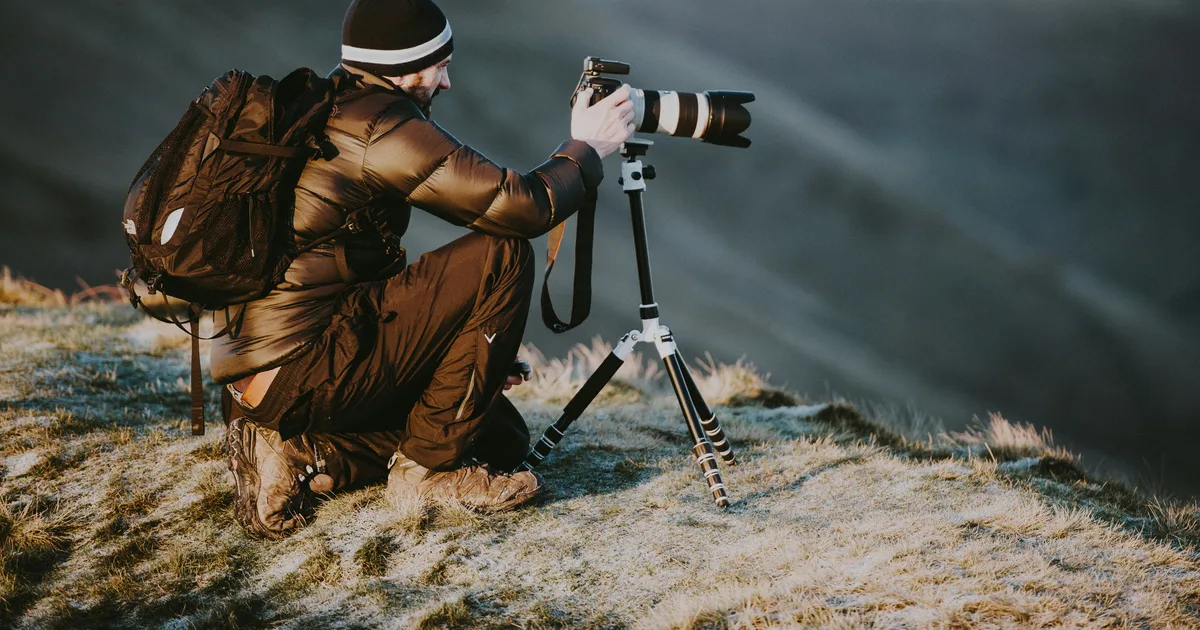
Photo by Annie Spratt on Unsplash
Best Photography Spots in Sedona: Ultimate Photo Guide
Quick Answer: Sedona's top photography spots are Red Rock Crossing (Cathedral Rock reflection, sunset), Airport Mesa Overlook (panorama, sunset), Cathedral Rock saddle (dramatic vista, sunset), Chapel of the Holy Cross (late afternoon), Devil's Bridge (sunrise for no line), Schnebly Hill (sunrise, wide vista), and Doe Mountain (360° summit, golden hour). Shoot early morning (7–9am) or late afternoon (5–7pm) — midday light is harsh.
Sedona is a photographer's dream. The red sandstone glows at every hour, but knowing where and when to shoot is the difference between a good photo and a great one. This is the shot-by-shot playbook.
The Golden Hours in Sedona
- Sunrise: Best for east-facing formations (Cathedral Rock, Bell Rock). Rocks glow softly, few crowds.
- Golden Hour PM: ~1 hour before sunset. Rocks turn orange-red. Best for the classic Sedona look.
- Blue Hour: ~30 min after sunset. Rocks turn purple and the sky glows — underrated timing.
- Midday (11am–3pm): Harsh flat light — save this for indoor shots at Tlaquepaque or lunch.
1. Red Rock Crossing (Cathedral Rock Reflection)
Coordinates: 34.8318°N, 111.8060°W Location: Crescent Moon Recreation Area, 300 Red Rock Crossing Rd Best time: Sunset, 1 hour before to 15 min after Cost: $12/vehicle (or Red Rock Pass + America the Beautiful pass accepted) Google Maps: Red Rock Crossing
The postcard shot. Cathedral Rock reflected in Oak Creek, framed by cottonwoods. It's on every Sedona brochure for a reason.
How to shoot it:
- Walk 5 minutes upstream from the parking lot
- Best angle is from the creek's east side — you may need to wade across
- Bring a polarizer to cut glare and boost reflection
- Wide angle (16–35mm) for the full scene; 24–70mm for compressed shots
Pro tip: Best reflections are when Oak Creek is calm and low, typically late spring through fall. In winter after rain, the creek runs high and murky.
2. Airport Mesa Overlook
Coordinates: 34.8497°N, 111.7905°W Best time: Sunset Parking: $3/hour (or Red Rock Pass) Google Maps: Airport Mesa Overlook
The best panoramic viewpoint in Sedona. From the mesa you see Cathedral Rock, Bell Rock, Courthouse Butte, and Capitol Butte in one 180° sweep.
How to shoot it:
- Arrive 90 minutes before sunset to claim a spot
- Wide angle for the panorama; telephoto to compress Cathedral Rock
- Best foreground: the rocky ridgeline in the near field
- Watch behind you — the eastern sky also glows pink at sunset
3. Cathedral Rock Saddle
Coordinates: 34.8250°N, 111.7885°W Trail: Cathedral Rock Trail, 1.2 miles round-trip, strenuous scramble Best time: Sunset (but plan headlamp for return) Google Maps: Cathedral Rock Trailhead
For photographers willing to hike — the saddle between Cathedral's spires offers a jaw-dropping westward view.
How to shoot it:
- Hike up 45 minutes before sunset
- Wide angle for the vista out toward Verde Valley
- Bring a headlamp for the descent
- The scramble includes hand-over-hand sections; use a camera strap or backpack (no tripod dangling)
4. Chapel of the Holy Cross
Coordinates: 34.8322°N, 111.7660°W Best time: Late afternoon (3–5pm), or twilight after 5pm closure Google Maps: Chapel of the Holy Cross
The chapel itself is photogenic from every angle. Best light hits the cross around 4pm in fall/winter, 5pm in summer.
How to shoot it:
- From the parking lot: standard postcard angle
- From Chapel Road (walking uphill): dramatic upward composition
- From below on Little Horse Trail: shows scale against the red rocks
- After 5pm: chapel is closed but you can shoot the exterior in blue hour with the chapel lit
5. Devil's Bridge
Coordinates: 34.9032°N, 111.8140°W Best time: Sunrise (avoid the crowds) Google Maps: Devil's Bridge Trailhead
The largest natural sandstone arch in the Sedona area. The classic photo is a person standing on the arch, shot from the side.
How to shoot it:
- Start hiking 90 minutes before sunrise (bring a headlamp)
- Bring a friend to pose on the bridge
- Shot is taken from a rock ledge to the west of the arch
- Wide angle (24mm) captures the bridge and person together
Warning: By 8am peak season, wait times for the "photo spot" can hit 90 minutes.
6. Schnebly Hill Vista
Coordinates: 34.8720°N, 111.7460°W Best time: Sunrise (east-facing) Access: Schnebly Hill Road (dirt, high-clearance recommended) Google Maps: Schnebly Hill Vista
Wide panoramic view of the Munds Mountain Wilderness. Best in the morning when the eastern sky lights up.
How to shoot it:
- Drive up in the dark (30 min from Uptown, take it slow on the dirt)
- Set up at the vista point 20 min before sunrise
- Wide angle for the panorama; telephoto for compressed layers
7. Doe Mountain
Coordinates: 34.8929°N, 111.8402°W Trail: Doe Mountain Trail, 1.6 miles round-trip, moderate Best time: Golden hour (any direction — it's a flat-top mesa) Google Maps: Doe Mountain Trailhead
Doe Mountain is a mesa you can hike to the top of — the summit is essentially a flat plateau with 360° views. Perfect for photographers who want variety in one location.
How to shoot it:
- Hike up 45 minutes before golden hour
- Walk the perimeter for different compositions (Bear Mountain, Boynton Canyon, Sedona)
- Sunset side: west-facing edge
8. Oak Creek Canyon Vista
Coordinates: 34.9767°N, 111.7386°W Best time: Fall for autumn color (mid-October to mid-November) Google Maps: Oak Creek Canyon Vista
Located at the top of Highway 89A switchbacks — panoramic view down into Oak Creek Canyon. Best in fall when the cottonwoods and sycamores turn gold.
How to shoot it:
- Wide angle for canyon scope
- Telephoto to compress the switchback road below
- Native American vendors sell jewelry at the vista — respect their space
9. Bell Rock
Coordinates: 34.8021°N, 111.7644°W Best time: Sunset from the west; sunrise from the east Google Maps: Bell Rock Vista
Bell Rock is symmetrical, so it photographs well from every direction. Bell Rock Vista trailhead gets you close in minutes.
10. Tlaquepaque Arts Village
Coordinates: 34.8555°N, 111.7628°W Best time: Anytime — great for cloudy days Google Maps: Tlaquepaque
For architectural, street, and detail photography. Spanish colonial courtyards, wrought iron, tile work, and dramatic archways.
Gear Recommendations
For casual photographers:
- Phone camera is honestly enough for most shots
- Add a small tripod (Peak Design or Manfrotto tabletop) for sunset and low light
- Clip-on polarizer for phones ($15-30)
For enthusiasts:
- Full-frame mirrorless (Sony a7 series, Canon R6, Nikon Z)
- 16-35mm wide for landscapes
- 24-70mm zoom for versatility
- 70-200mm telephoto for compressed rock layers
- Circular polarizer — non-negotiable in Sedona
Essential accessories:
- Tripod (for sunset/blue hour)
- Headlamp with red mode (for pre-sunrise hikes)
- Lens cloth (red dust gets everywhere)
- Extra batteries (cold mornings drain fast)
Composition Tips for Sedona
- Include foreground interest — sagebrush, a juniper tree, a person for scale
- Wait for the color — the red really pops in the last 20 min before sunset
- Don't over-saturate — Sedona already looks unreal; keep edits natural
- Shoot vertical for Instagram/Stories — Sedona rocks are tall
- Use the "rule of thirds" — put the horizon on the lower or upper third, not the middle
FAQ
Q: What time of day has the best light in Sedona? Golden hour before sunset (roughly 5–7pm depending on the season) produces the deepest red-orange rock color. Sunrise is a close second and has fewer crowds.
Q: Do I need a professional camera to photograph Sedona? No. Modern iPhones and Android phones capture Sedona beautifully. A polarizer clip-on and a small tripod are the best upgrades under $100.
Q: Is there a fee to photograph Red Rock Crossing? Yes — $12 per vehicle at Crescent Moon Recreation Area, or your America the Beautiful pass or Red Rock Pass is accepted.
Q: Can drones fly over Sedona? Most Sedona is federally-managed Coconino National Forest where drones are prohibited without a special use permit. Fly only over private land with owner permission.
Q: When do the red rocks look reddest? The rocks are always red — but they look most saturated during the last 30 minutes of daylight (golden hour) and immediately after cloudbursts. Winter storms often produce dramatic snow-on-red-rock shots.
Q: What's the best month for Sedona photography? October — clear skies, fall color in Oak Creek Canyon, and comfortable temperatures. March–April is a close second for wildflowers.
Related Guides
- Best Sunset Spots in Sedona
- Chapel of the Holy Cross & Landmarks
- Best Hikes in Sedona
- Sedona Weather & What to Pack
Planning a photography trip to Sedona? Use SedonaPassport.com for live golden hour timing, current sun/moon positions, and personalized shot lists from our Aurora AI concierge.
Topics