
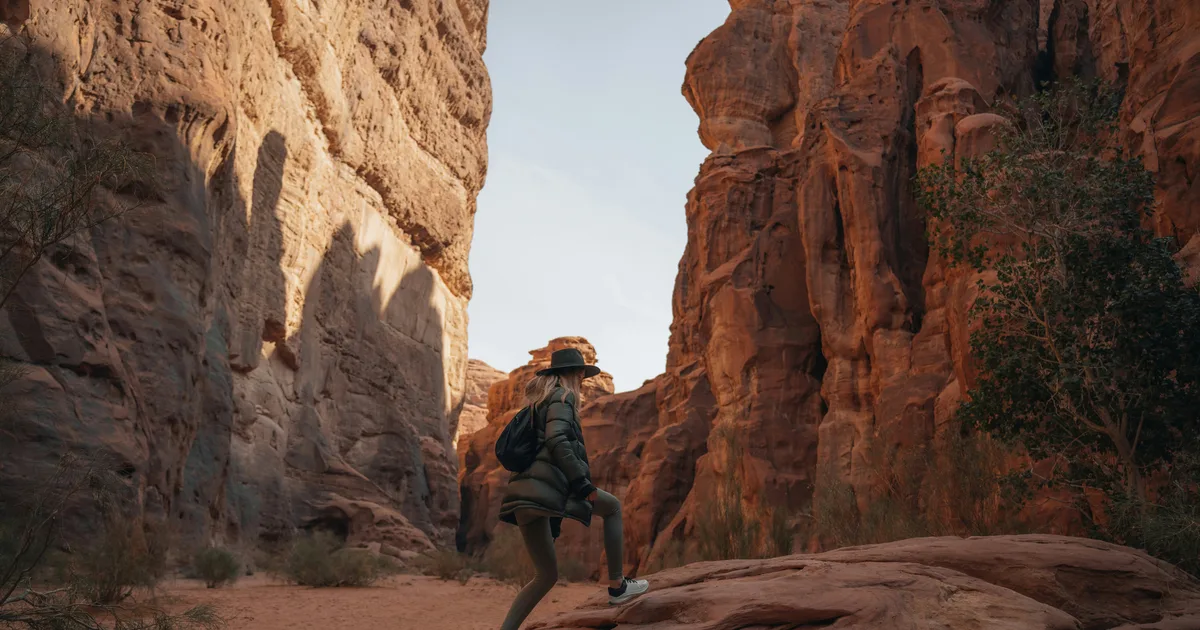
Sedona Weather & What to Pack: Season-by-Season Guide (2026)
Sedona sits at 4,500 ft and has four distinct seasons. Spring (65–85°F) and fall (70–85°F) are ideal. Summer hits 95–105°F with afternoon monsoon storms (July–September). Winter averages 55–60°F days and 30s at night, with occasional snow (~3.5 inches per year). Bring layers year-round — mornings and evenings are always cooler than midday.
Sedona Weather & What to Pack: Season-by-Season Guide
Quick Answer: Sedona sits at 4,500 ft and has four distinct seasons. Spring (65–85°F) and fall (70–85°F) are ideal. Summer hits 95–105°F with afternoon monsoon storms (July–September). Winter averages 55–60°F days and 30s at night, with occasional snow (~3.5 inches per year). Bring layers year-round — mornings and evenings are always cooler than midday.
Sedona's weather surprises visitors. It's not the low desert (Phoenix) — nights get cold, monsoons flood in summer, and yes, it does snow. This guide breaks down every season and exactly what to pack.
Sedona's Elevation & Climate Overview
- Elevation: 4,500 ft (Uptown Sedona)
- Climate: High desert / semi-arid
- Sunshine: 278 days per year
- Annual precipitation: 19 inches (rain + snow)
- Snowfall: ~3.5 inches per year (usually melts within days)
- UV index: Extreme year-round — sunscreen is mandatory
Compared to Phoenix: Sedona is typically 15–20°F cooler. That's why it's a summer escape for Phoenicians.
Monthly Temperature Averages (°F)
| Month | High | Low | Precip |
|---|---|---|---|
| January | 57 | 32 | 1.8" |
| February | 60 | 34 | 1.9" |
| March | 66 | 39 | 2.1" |
| April | 74 | 45 | 1.0" |
| May | 82 | 52 | 0.5" |
| June | 92 | 60 | 0.3" |
| July | 96 | 66 | 2.2" |
| August | 93 | 65 | 2.5" |
| September | 88 | 59 | 1.9" |
| October | 77 | 49 | 1.4" |
| November | 65 | 39 | 1.4" |
| December | 57 | 33 | 1.8" |
Season-by-Season Packing Guide
Winter (December–February)
Weather: Highs 55–65°F, lows 30–40°F. Occasional snow (usually melts within 24 hours). Clear, cold, sunny.
What to pack:
- Layers: t-shirt + fleece + light puffy jacket
- Warm hat and gloves for mornings and evenings
- Hiking pants (not shorts — mornings are cold)
- Waterproof hiking boots with grip (icy trails possible)
- Sunglasses (snow glare + Arizona sun)
- Sunscreen (still SPF 30+)
- Warm sleepwear if staying in a cabin without central heat
- Down jacket if visiting Grand Canyon or Flagstaff day trip
Winter is the second-most magical season in Sedona. Snow on red rock is a rare and gorgeous sight. Trails are quiet, hotels are cheaper (except holidays), and the light is soft all day.
Spring (March–May)
Weather: Highs 65–85°F, lows 40–55°F. Wildflowers bloom. Perfect hiking weather.
What to pack:
- T-shirts + long-sleeve shirts for layering
- Light fleece or jacket for mornings and evenings
- Hiking pants or shorts (both, for changing conditions)
- Hiking boots or trail runners
- Sun hat and sunglasses
- Sunscreen SPF 30+
- 2L water bottle minimum for hikes
- Light rain jacket (occasional spring showers)
Spring is the best all-around season for Sedona. Book hotels 3+ months ahead — this is peak wildflower and hiking season.
Summer (June–September)
Weather: Highs 90–105°F midday. Monsoon season kicks in mid-July with afternoon thunderstorms.
What to pack:
- Sun shirts (long-sleeve UPF-rated for hiking — better than sunscreen)
- Wide-brim sun hat (not a baseball cap — full brim needed)
- Shorts and lightweight hiking pants
- Trail runners or lightweight hiking shoes
- 3L hydration pack — you'll need it
- Electrolyte tablets (Nuun, LMNT)
- Sunscreen SPF 50+ mineral-based
- Rain jacket (for monsoon storms mid-July through September)
- Swimsuit for Slide Rock, Grasshopper Point, or hotel pool
- Water shoes for creek swimming
Summer strategy:
- Hike before 8am or after 5pm
- Never underestimate heat — Sedona routinely hits 100°F+ in July
- Watch for flash floods in canyons during monsoon (never hike West Fork during a storm)
- Slot canyons and creek beds are lethal during flash floods
Monsoon storms are dramatic but usually brief. Check the sky — if you see a wall of dark clouds building over the mountains at 2pm, get off exposed rock.
Fall (October–November)
Weather: Highs 65–85°F, lows 40–55°F. Fall color in Oak Creek Canyon peaks mid-October to early November.
What to pack:
- Same as spring — layers, hiking gear, sun protection
- Warmer jacket (fleece or light puffy) for evenings
- Camera — fall color at West Fork and Oak Creek Canyon is a photographer's dream
- Reservations for everything — October is Sedona's peak tourist month
The Sun Is Serious Business
At 4,500 ft with almost 300 sunny days a year, Sedona sun is stronger than sea-level sun. Even in winter, UV hits Level 6+ midday.
Sun protection essentials:
- SPF 50+ mineral sunscreen — apply every 90 minutes on trail
- UPF long-sleeve shirt (KUHL, Columbia PFG, Patagonia Capilene)
- Wide-brim hat with neck coverage
- Polarized sunglasses
- Lip balm with SPF
Even locals get sun-fried. Don't skip protection because it's cool outside.
Hydration: Sedona Dehydrates You Fast
The combination of elevation + dry air + heat + sun dehydrates you 2–3x faster than at sea level. Symptoms creep up quickly.
Rules of thumb:
- 3 liters of water per person per day, minimum
- 1 liter per hour of moderate hiking
- Electrolytes (Nuun, LMNT, Liquid IV) matter more than just water
- Alcohol hits harder at elevation — pace yourself
- Coffee dehydrates — balance with water
Signs of dehydration: headache, fatigue, dark yellow urine, dizziness. Fix immediately with water + electrolytes + shade.
Monsoon Season (July–September)
Arizona's summer monsoon is a real weather event. Afternoon thunderstorms build over the mountains and dump heavy rain, sometimes with hail and lightning.
Monsoon safety:
- Watch the skies from noon on — dark walls of clouds mean storms are coming
- Never hike slot canyons during monsoon (flash flood risk)
- Storm timing: usually 2pm–7pm
- Storms are usually brief (30–90 min) but intense
- Lightning kills more people in AZ than heat — get off exposed rock immediately if you see or hear a storm
Silver lining: After-monsoon light is spectacular. Red rocks glow against dark storm clouds. Rainbows are frequent. Some of the best Sedona photos happen right after storms.
Winter Snow
Sedona averages 3.5 inches of snow per year, usually in one or two events between December and February. Snow typically melts within 24–48 hours.
Snow days:
- Roads: 89A and 179 are plowed quickly
- Highway 89A through Oak Creek Canyon may close briefly during major storms
- Trailheads: Some higher-elevation trails (Bear Mountain, Mescal) may hold snow for days
- Chapel of the Holy Cross with snow is one of the most magical shots in Arizona
What NOT to Pack
- Heavy winter coat — even in winter, layers work better
- Formal clothes — Sedona is casual; most restaurants welcome jeans
- Umbrella — useless in wind; wear a rain jacket instead
- Cotton hiking clothes — sweat + wind = hypothermia risk in shoulder seasons
- Bear spray — bears exist but rarely encountered on Sedona trails
Weather-Related Emergency Info
- Verde Valley Medical Center (Cottonwood): 928-639-6000
- Sedona Urgent Care: 928-203-4813
- Coconino National Forest hotline: 928-527-3600
- Flash flood watches: National Weather Service Flagstaff
FAQ
Q: Does it snow in Sedona? Yes, Sedona averages about 3.5 inches of snow per year, typically in one or two winter events. Snow usually melts within 24–48 hours but creates spectacular red-rock-on-snow photo opportunities.
Q: How hot does Sedona get in summer? Sedona hits 95–105°F in July and August afternoons. It's meaningfully cooler than Phoenix but still hot. Plan to hike before 8am or after 5pm.
Q: What is Arizona monsoon season and does it affect Sedona? Monsoon season runs mid-June through September. Afternoon thunderstorms build over the mountains and can bring heavy rain, lightning, and flash floods. Never hike slot canyons or creek beds during a storm.
Q: What should I wear for hiking in Sedona? Long-sleeve UPF sun shirt, lightweight hiking pants or shorts, trail runners or hiking boots, wide-brim sun hat, sunglasses. Bring 3L of water minimum.
Q: Is Sedona colder than Phoenix? Yes — Sedona is typically 15–20°F cooler than Phoenix year-round because of its 4,500 ft elevation. Phoenix summers hit 115°F+; Sedona rarely tops 105°F.
Q: When is the best month for Sedona weather? October — mild days (77°F), cool nights (49°F), low precipitation, and fall color. April is a close second for spring flowers.
Related Guides
- Best Time to Visit Sedona
- Best Hikes in Sedona
- Easy Hikes for Seniors & Beginners
- Sedona 1/2/3-Day Itineraries
Planning your Sedona trip? Use SedonaPassport.com for the current weather, monsoon watches, and packing lists tailored to your dates from our Aurora AI concierge.
Topics