
Sedona Vortex Sites: The Complete Guide (What, Where & How)
Sedona has four main vortex sites: Airport Mesa, Bell Rock, Cathedral Rock, and Boynton Canyon. Vortexes are believed to be spots where the Earth's energy is concentrated, and each has a slightly different energetic quality — from grounding (Bell Rock) to feminine energy (Cathedral Rock) to balance (Boynton Canyon). All four are accessible via short-to-moderate hikes.
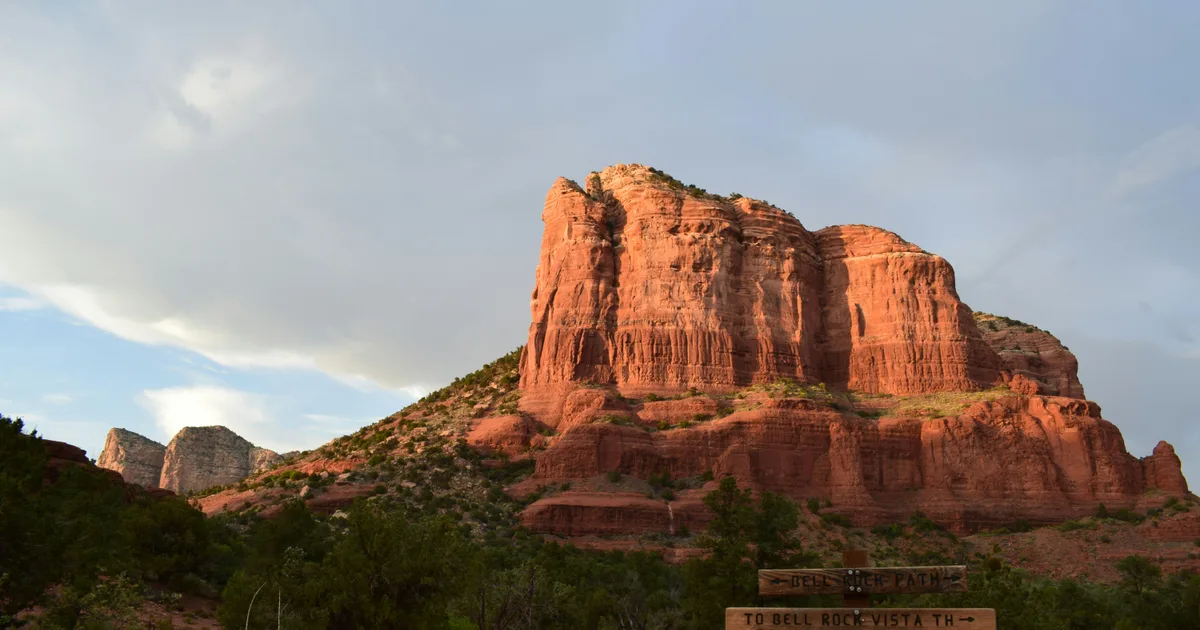
Photo by Michelle Gordon on Unsplash
Sedona Vortex Sites: The Complete Guide
Quick Answer: Sedona has four main vortex sites: Airport Mesa, Bell Rock, Cathedral Rock, and Boynton Canyon. Vortexes are believed to be spots where the Earth's energy is concentrated, and each has a slightly different energetic quality — from grounding (Bell Rock) to feminine energy (Cathedral Rock) to balance (Boynton Canyon). All four are accessible via short-to-moderate hikes.
Whether you buy into the spiritual side or not, Sedona's vortexes sit at some of the most beautiful viewpoints in Red Rock Country. This guide covers what they are, where to find them, and how to visit each one — with coordinates, hikes, and practical tips.
What Is a Sedona Vortex?
A vortex (plural: vortexes or vortices) is a spot where the Earth's energy is said to be swirling and concentrated. The concept was popularized in Sedona in the 1980s by psychic Page Bryant, who identified specific energy sites tied to the town's red rock formations. Believers describe sensations ranging from tingling and warmth to profound meditative clarity or emotional release.
Sedona's vortexes fall into three energy types:
- Up-flow (masculine): Energy flows upward from the Earth. Elevates spirit, helps with big-picture thinking. Airport Mesa and Bell Rock are up-flow.
- In-flow (feminine): Energy flows inward and downward. Grounding, introspective, healing. Cathedral Rock is in-flow.
- Combination: Balance of both energies. Boynton Canyon is a combination vortex.
Skeptical? That's fine. Every vortex site sits on a hike that's worth doing regardless — the geology, geometry, and views alone make them extraordinary.
The 4 Main Sedona Vortex Sites
1. Airport Mesa Vortex
Energy Type: Up-flow (masculine) Best For: Confidence, motivation, letting go of what's holding you back.
- Location: Sedona View Trail / Airport Mesa
- Coordinates: 34.8497° N, 111.7905° W
- Open in Google Maps
- Hike: 0.4 miles from Airport Mesa Overlook OR from the small trailhead lot at the base
- Difficulty: Easy–Moderate (short scramble at the vortex knob)
- Parking: $3 at the overlook, 10 spots at the lower trailhead (fills fast)
- Best Time: Sunset — the vortex knob itself gives you unobstructed views west
The most accessible vortex. From the Airport Mesa Overlook, take the Sedona View Trail down and around to a small hilltop with a twisted juniper tree — a classic vortex marker. Many visitors also treat the overlook itself as vortex-adjacent, and it's a legendary sunset spot.
2. Bell Rock Vortex
Energy Type: Up-flow (masculine) Best For: Serenity, spiritual perspective, seeing problems from a higher point of view.
- Location: Base of Bell Rock, off Highway 179 near Village of Oak Creek
- Coordinates: 34.8021° N, 111.7644° W
- Open in Google Maps
- Hike: 0.4–0.7 miles from Courthouse Vista or Bell Rock Trailhead
- Difficulty: Easy along the pathway; moderate if you scramble up the rock
- Parking: Courthouse Vista or Bell Rock Trailhead lots (both fill by 9 a.m.)
- Best Time: Morning for cool temps; late afternoon for photography
The whole rock formation is considered vortex energy, but the "meditation perch" halfway up is the traditional focal point. Bell Rock is one of the most kid-friendly vortex hikes — you can go as high or low as you like.
3. Cathedral Rock Vortex
Energy Type: In-flow (feminine) Best For: Emotional healing, grounding, releasing what no longer serves you.
- Location: The saddle between Cathedral Rock's spires
- Coordinates: 34.8252° N, 111.7884° W
- Open in Google Maps
- Hike: 1.2 miles round-trip, 750 ft elevation gain, requires hand-and-foot scrambling
- Difficulty: Strenuous
- Parking: Back O' Beyond Road trailhead (Thu–Sun: shuttle only)
- Best Time: Sunrise for solitude, sunset for photos (heavy crowds)
The most powerful vortex according to many locals, and the hardest to reach. If you can't do the full climb, the Red Rock Crossing area (below Cathedral Rock, along Oak Creek) is considered a secondary vortex site with the same energy and is much easier to access via the Crescent Moon Picnic Site.
Red Rock Crossing coordinates: 34.8256° N, 111.8250° W · Google Maps
4. Boynton Canyon Vortex
Energy Type: Combination (masculine + feminine — balance) Best For: Relationships, harmony, integration, meditation.
- Location: Two rock formations along the Boynton Vista side trail (Kachina Woman + Warrior)
- Coordinates: 34.9088° N, 111.8534° W
- Open in Google Maps
- Hike: 1.2 miles round-trip via Boynton Vista Trail
- Difficulty: Easy–Moderate (short uphill scramble to twin rock formations)
- Parking: Boynton Canyon Trailhead
- Best Time: Morning (canyon is west-facing, gets afternoon sun)
Boynton Canyon is sacred to the Yavapai-Apache and is considered by many the most powerful energetic site in Sedona. The trailhead is near the Enchantment Resort. From the main Boynton Canyon trailhead, walk 0.5 miles, then turn right onto Boynton Vista Trail. The two vortex formations — Kachina Woman (feminine) and Warrior (masculine) — sit above.
Beyond the Big Four: Lesser-Known Vortex Sites
Locals talk about many additional energy spots. A few worth knowing:
- Chapel of the Holy Cross — Often called a "chapel vortex." The building sits on a red rock outcrop and the parking lot alone is powerful. Coordinates: 34.8322° N, 111.7660° W
- Amitabha Stupa & Peace Park — A 14-acre Buddhist sanctuary in West Sedona. Free entry. Coordinates: 34.8747° N, 111.7913° W
- Rachel's Knoll — Once a hidden favorite; access is now limited but still occasionally open. Ask locally before you go.
- Seven Sacred Pools (on Soldier Pass Trail) — A short hike to seven natural pools said to hold healing energy. Coordinates: 34.8929° N, 111.7833° W
What to Expect on Your First Vortex Visit
- Bring water and sit down. Most vortex experiences require you to slow down. Sit, breathe, and stay 20–30 minutes minimum.
- Twisted junipers are the classic marker. Many vortex sites have juniper trees whose trunks spiral — locals attribute this to the swirling energy.
- Nothing may happen. Not everyone feels the vortex, and that's okay. The view alone is worth it.
- Some people feel a lot. Tingling in the palms or crown of the head, warmth in the chest, spontaneous emotion, tears, or profound stillness are all commonly reported.
Should You Book a Vortex Tour?
If it's your first time and you want context, a guided vortex tour is worth it. Reputable options include:
- Sedona Spirit Journeys — Small-group and private tours with certified guides.
- A Day in the West — Combines Jeep tours with vortex stops (great if you want a mix of adventure + energy).
- Sedona Mystical Tours — Ceremony-based and beginner-friendly.
Expect to pay $80–$200 per person for group tours, $250–$500+ for private.
Vortex Etiquette
- Speak quietly at vortex sites — you're often sharing the space with people meditating.
- Do not stack rocks (cairns). It disturbs the ecosystem and creates confusion on trails.
- Do not remove anything (crystals, rocks, plants) — it's illegal and disrespectful.
- Respect ceremonies in progress and leave a wide berth.
- Sacred to the Yavapai-Apache and Hopi Nations. Treat these sites accordingly.
Frequently Asked Questions
What does it feel like at a Sedona vortex? Reports vary widely. Common sensations include warmth or tingling in hands, feet, or crown; feelings of calm or emotional release; heightened intuition; or nothing at all. Skeptics often still report the views make them feel calmer.
Are Sedona vortexes real? There is no scientific evidence of measurable "energy vortexes" as spiritual traditions describe them. However, geological features (magnetic anomalies, unique rock formations) do exist in the area, and the psychological effect of being in a beautiful, quiet natural space is well documented.
Which is the strongest Sedona vortex? Locals and guides most often name Cathedral Rock as the strongest, followed by Boynton Canyon. Some point to the Chapel of the Holy Cross as an unofficial fifth vortex.
Can I visit a vortex without hiking? Yes. The Airport Mesa Overlook ($3 parking) gives you a vortex-adjacent view with no hiking. Red Rock Crossing via the Crescent Moon Picnic Site is a flat, paved 0.5-mile walk to Cathedral Rock's water-view vortex.
What time of day is best for visiting a vortex? Sunrise for solitude and clearer energy (per most guides), sunset for photography and shared experience.
Do I need a permit to visit a vortex? You need a Red Rock Pass or an America the Beautiful Pass for any vortex accessed via a Forest Service trailhead — which is all of them except the Chapel and Amitabha Stupa.
Related Guides
- Best Hikes in Sedona: Complete Trail Guide
- Chapel of the Holy Cross & Sedona's Iconic Landmarks
- Best Sunset Spots in Sedona
- Best Photography Spots in Sedona
Plan Your Trip
Book vortex tours, spa treatments, and guided experiences through SedonaPassport.com — your local pass to Red Rock Country.
Topics